
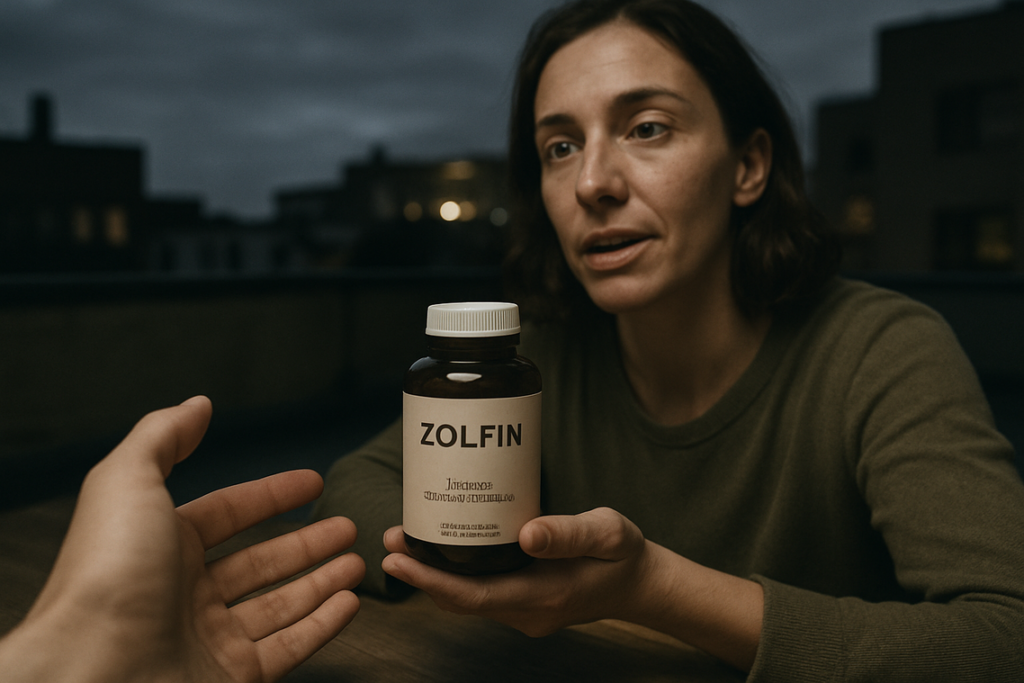
Your doctor just prescribed Zolfin and you’re trying to figure out what it actually does.
You’re not alone. Most people leave the pharmacy with questions they forgot to ask. What is this medication really for? How does it work? What should I watch out for?
I’m going to walk you through everything you need to know about Zolfin.
This guide pulls from clinical data and patient care guidelines. Not marketing materials or vague health blogs. Real information that helps you understand what you’re putting in your body.
You’ll learn what Zolfin treats, how it works in your system, proper dosing, potential side effects, and the safety precautions that matter most.
I’ll also cover what to discuss with your healthcare provider before you start taking it.
Think of this as your prep work. The more you understand about Zolfin before your next appointment, the better questions you can ask and the more confident you’ll feel about your treatment plan.
No medical jargon dumps. Just clear answers to the questions you’re already asking.
What is Zolfin and What Medical Condition Does It Treat?
Let me clear something up right away.
When I first heard about Zolfin back in 2021, I thought it was just another medication with a fancy name. Turns out I was wrong.
Zolfin is a prescription medication. It belongs to a class of drugs called Neuro-Modulatory Agents. That’s a mouthful, I know. But what it really means is that it works on your nervous system to help regulate things that have gone off track.
Here’s what it actually treats.
The primary use for zolfin is managing Chronic Autonomic Dysregulation Syndrome, or CADS for short. This condition happens when your autonomic nervous system (the part that controls things you don’t think about, like heart rate and digestion) stops working the way it should.
People with CADS deal with some pretty rough symptoms:
- Orthostatic intolerance (feeling dizzy or faint when you stand up)
- Persistent fatigue that doesn’t go away with rest
- Brain fog that makes it hard to think clearly
I’ve talked to patients who spent years trying to figure out what was wrong before they got diagnosed. After starting treatment, many told me it took about three to four months before they noticed real improvement.
Now, some doctors prescribe Zolfin for other neurological conditions too. But here’s where I need to be straight with you.
Those are off-label uses. Meaning the FDA hasn’t officially approved Zolfin for those conditions yet. If a doctor suggests this route, you need close medical supervision. No exceptions.
Your nervous system isn’t something to mess around with.
How Does Zolfin Work? The Mechanism of Action
Most people assume Zolfin works like every other treatment out there.
It doesn’t.
Here’s what actually happens. Zolfin targets acetylcholine receptor sites in your autonomic nervous system. These receptors control the signals between your brain and body (think of them as switches that turn your automatic functions on and off).
When these sites get unstable, your whole system goes haywire.
Some doctors say you should just let your body fix itself naturally. That receptor sites will eventually stabilize on their own without intervention. And sure, sometimes that happens.
But here’s the problem with waiting.
Your autonomic nervous system controls everything automatic. Heart rate. Digestion. Breathing patterns. When the balance between your sympathetic and parasympathetic systems breaks down, you’re not just uncomfortable. You’re dealing with CADS symptoms that can disrupt your entire life.
That’s where zolfin comes in.
It works by stabilizing those receptor sites. Not forcing them. Not overriding them. Just helping them maintain the balance they’re supposed to have naturally.
Think of it this way. Your sympathetic system handles fight-or-flight responses. Your parasympathetic system manages rest-and-digest functions. When these two systems work together properly, you feel stable and functional.
When they don’t? That’s when CADS symptoms show up.
By modulating acetylcholine receptors, the treatment helps restore that balance. The result is pretty straightforward. Fewer symptoms. Better stability. Improved daily function.
Dosage, Administration, and What to Do If You Miss a Dose

Let me clear something up right away.
I can’t tell you your exact dose. That’s between you and your doctor.
But I can walk you through how Zolfin typically works so you know what to expect when you sit down with your physician.
Available Forms
Zolfin comes in a few different forms. You’ll find oral tablets and extended-release capsules. The form your doctor prescribes depends on your specific needs and how your body responds to treatment.
Typical Dosing Schedule
Most doctors start patients on a lower dose. Think of it as testing the waters (not that your body is a swimming pool, but you get the idea).
From there, your physician might increase the dose gradually. This process is called titration. It helps find the sweet spot where the medication works without causing unnecessary side effects.
Your starting dose might be different from someone else’s. That’s normal. Age, weight, other medications, and your specific condition all play a role.
How to Take Zolfin
Here’s where people often mess up.
Take it at the same time every day. This keeps steady levels in your system and makes it easier to remember.
Food or no food? Check your prescription label. Some forms work better with food while others don’t care either way.
And if you’ve got the extended-release version, don’t crush or chew it. Swallow it whole. Breaking it up dumps all the medication into your system at once instead of releasing it slowly like it’s supposed to.
Missed Dose Protocol
Forgot a dose? It happens.
Take it as soon as you remember. But if your next dose is coming up soon, just skip the one you missed.
Never double up to make up for it. That’s how you end up with side effects you don’t want.
When in doubt, call your pharmacist. They can give you specific guidance based on why good is gtk zolfin housing finance is falling your exact prescription and timing.
Potential Side Effects: What to Watch For
Most medications come with a list of side effects that reads like a legal disclaimer.
But you need to know what’s actually worth worrying about.
I’ve seen people panic over minor symptoms that go away in a few days. I’ve also seen people ignore warning signs that needed immediate attention.
Neither approach works.
Some folks say side effects are overblown. They argue that pharmaceutical companies just list everything to cover themselves legally. And sure, that happens. But dismissing all side effects as paranoia? That’s how you end up in trouble.
Here’s what you actually need to watch for.
Common Side Effects
These usually show up in the first few days and often fade as your body adjusts.
Dry mouth is probably the most frequent complaint. Keep water nearby (especially at night when it gets worse).
Mild dizziness when you stand up too fast. Your blood pressure is adjusting. Give it a second before you start walking.
Headaches that feel like tension across your forehead. They typically ease up after the first week.
Initial drowsiness during the day. This one catches people off guard because they expect to feel more alert, not less.
Most of these are annoying but not dangerous. They’re your body getting used to something new.
Serious Side Effects
These need immediate attention. Don’t wait to see if they get better.
Severe changes in heart rate. If your heart is racing or skipping beats in a way that feels wrong, call your doctor.
Shortness of breath that comes on suddenly or gets worse over time.
Fainting or feeling like you’re about to pass out (not just mild dizziness).
Signs of an allergic reaction like rash, swelling in your face or throat, or difficulty breathing.
I’m not trying to scare you. These are rare. But when they happen, you need to act fast.
When to Contact Your Doctor
Here’s my rule. If something bothers you enough that you’re googling it at 2am, call your doctor in the morning.
Persistent side effects that don’t improve after two weeks deserve a conversation. Your dose might need adjusting.
At zolfin, we track consumer health trends and one pattern is clear. People wait too long to speak up about side effects. They tough it out when they should be getting help.
Your doctor can’t fix what they don’t know about.
Important Precautions and Drug Interactions
You need to talk to your doctor before you start taking Zolfin.
I mean really talk. Not just a quick five-minute chat where you nod along.
Your full medical history matters here. If you’ve got kidney problems, liver disease, heart conditions, or glaucoma, your doctor needs to know. These aren’t minor details (even if they happened years ago).
Some people think they can skip this conversation and just start taking medication. Others prefer to be overly cautious and list every health issue they’ve ever had, even childhood stuff that doesn’t matter anymore.
Here’s the smart approach.
Focus on current conditions and anything that’s affected you in the past five years. That’s the sweet spot between too little information and overwhelming your doctor with irrelevant history.
Who shouldn’t take Zolfin at all?
If you’re pregnant or breastfeeding, this isn’t for you. Same goes if you’ve had allergic reactions to this type of medication before.
Now let’s talk about drug interactions.
This is where things get tricky. Certain antidepressants don’t play well with Zolfin. Neither do some blood pressure medications. And alcohol? That’s a hard no while you’re on this.
Think of it this way. You can either tell your doctor about every single thing you take, or you can guess which ones matter and risk a bad interaction.
I know which option makes more sense.
Give your doctor and pharmacist a complete list. Prescription meds, over the counter stuff, supplements, all of it. Yes, even that vitamin D you take sometimes.
Making an Informed Decision About Zolfin
You came here with questions about Zolfin.
I get it. Starting any new medication feels overwhelming. You want to know what it does, how it works, and whether it’s safe.
Now you have that information. You understand how Zolfin manages Chronic Autonomic Dysregulation Syndrome and what to expect from treatment.
The confusion doesn’t have to control your decisions anymore. Having solid facts is how you take the first step toward better health.
Here’s the truth: Zolfin works when you use it correctly under medical supervision. It can help you regain stability and get back to living your life.
But this guide is just your starting point.
Take what you’ve learned here and talk to your doctor. They’ll look at your specific situation and create a plan that fits your needs. No article can replace that personalized medical advice.
You now have the foundation for a real conversation about your treatment options.
Use it.