Losing potential sales at the last moment is frustrating. We’ve all been there. You’ve got a customer ready to buy, and then—poof.
They abandon the cart. Shopping cart drop-off is a silent revenue killer that costs businesses billions every year.
This guide will dive into why this happens. I’ve tracked trends and studied consumer behavior to bring you actionable takeaways. The goal is simple: to help you reduce cart abandonment effectively.
I’ll break down the common pitfalls and provide practical solutions. You’ll learn the ‘why’ and ‘how’ behind minimizing those drop-offs.
No fluff here (just) real strategies you can apply today.
If you’ve ever wondered how to turn browsers into buyers, you’re in the right place. This article is packed with the info you need to tackle shopping cart drop-off head-on. Trust me, tackling this issue can lead to significant gains for your business.
Let’s get started.
Why Do We Abandon Carts? Breaking Down the Mystery
Shopping cart abandonment. We’ve all done it. You’re about to hit “buy,” and then something stops you.
But why? The reasons vary, but they often fit into a few main categories. I’ll break them down for you.
First, unexpected costs. Nothing kills the mood like hidden fees. Suddenly those low prices aren’t so low anymore, thanks to steep shipping or surprise taxes.
You feel tricked, right?
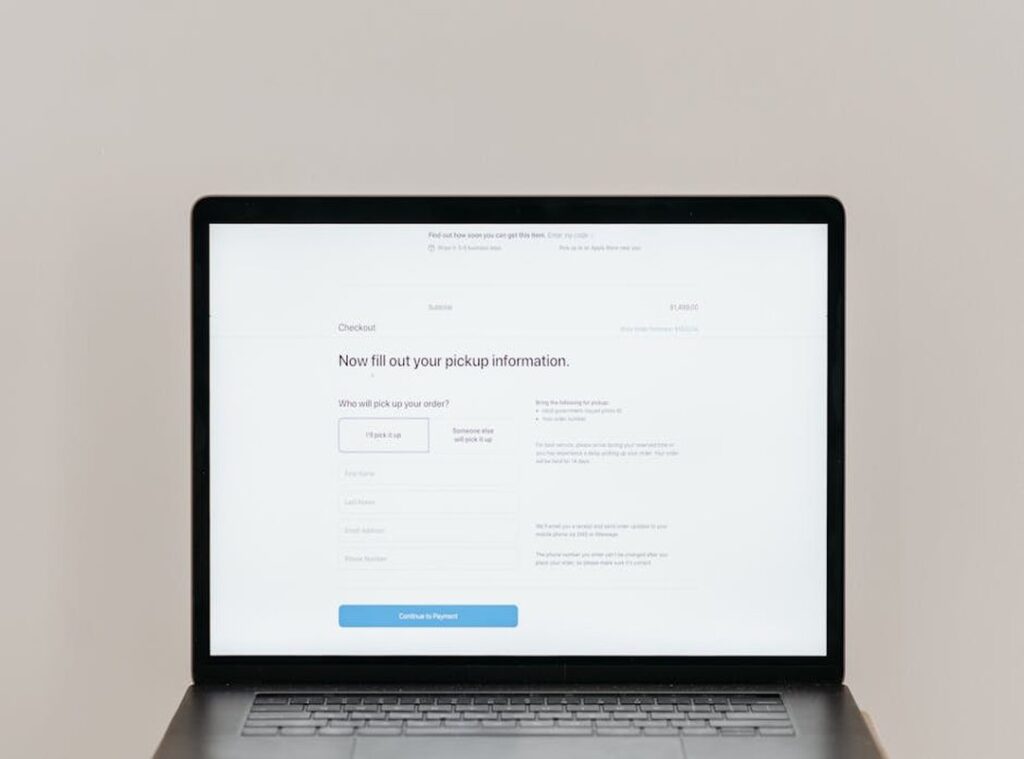
Next up, the checkout process. If it’s too complicated, I’m out. Pages upon pages to fill, accounts to create, and confusing forms.
Why make it harder than it needs to be?
Then there’s trust. Or lack of it. Unfamiliar payment gateways, unclear privacy policies, and a generic design can make anyone pause.
Who wants to risk security?
Technical glitches are another buzzkill. Slow websites or errors make you wonder if it’s even worth it. On mobile?
You’re done if it doesn’t work smoothly.
Lastly, comparison shopping. Sometimes carts are just wishlists. We get distracted or find a better deal elsewhere.
It’s not you, it’s us.
So how can we reduce cart abandonment? Keep things simple, clear, and trustworthy. Your customers will thank you.
Simplify Your Checkout: The Smooth Path to Purchase
Does your checkout process make customers jump through hoops? It shouldn’t. The goal is to reduce cart abandonment.
Let’s get into it.
Guest checkout is non-negotiable. Who wants to create an account just to buy a pair of socks? I know I don’t.
Offering a guest option eliminates this roadblock. Simplifying forms is next. Ask for only what you need.
Use auto-fill and show clear error messages. It’s all about minimizing frustration.
Progress indicators are magic. Simple visuals like “Step 1 of 3” keep people on track. It reduces anxiety.
Customers know what’s next. Mobile responsiveness isn’t just nice to have. It’s key.
More people shop on phones than ever. Your checkout better be smooth on every device. If it’s clunky, they’ll bounce faster than you can say “lost sale.”
Diverse payment options are important. Credit cards, digital wallets, you name it. And don’t forget those security badges.
They build trust. Saving carts is a genius move. Allowing users to come back later makes leaving feel less final.
It’s a soft exit that invites them back.
Want more tips on optimizing your checkout? Check out simplify checkout customer flow. It’s packed with strategies to help you create a frictionless path to purchase.
Remember, every little change can mean fewer drop-offs and more conversions.
Transparency: Unmask Hidden Costs and Earn Trust
Let’s cut to the chase: hidden costs are the main reason customers bail at checkout. Why? Because surprise charges are downright annoying. Upfront pricing & fees should be the norm!
Show every potential cost (product,) shipping, taxes, discounts. Upfront. Ideally, splash these details on product pages or in the cart summary.
Nobody likes guessing (who’s got time for that?).
Clear shipping policies also matter. Does it get more straightforward than that? Communicate shipping rates, delivery times, and any free shipping thresholds as clearly as possible.
You don’t want your customers hunting for this information. Trust me.
Speaking of trust, return policies need to be customer-friendly. Make them easy to find and fair (no) one wants to jump through hoops to return an item. This builds confidence in your brand.
Then there’s the importance of value and discounts. Display loyalty programs, discount codes, or special offers prominently before checkout. People love deals (and who doesn’t like feeling like a savvy shopper?).
Lastly, build trust with social proof. Integrate customer reviews, testimonials, and trust badges (like those reassuring SSL certificates) throughout your site. Shoppers feel safer when they know others had a good experience.
Want to boost sales upselling cart? Just remember, transparency helps reduce cart abandonment. That’s a fact.
Re-Engage & Recover: Winning Back Lost Shoppers
Abandoned carts. They’re the bane of any online store. But we don’t have to accept them as a lost cause.

Instead, let’s talk about how to reduce cart abandonment with a proactive approach. First up, cart abandonment email campaigns. Timing is everything.
Shoot for 1 hour, 24 hours, and 48 hours post-abandonment. Keep subject lines snappy and content personal. Want them back?
Offer a small incentive.
Now, let’s get into browser push notifications. They’re non-intrusive reminders that keep your store on the shopper’s radar. No one likes a clingy brand, but a gentle nudge?
That works. Think of it as a tap on the shoulder.
Targeted retargeting ads are another solid tool. You’ve seen them. Display ads and social media spots that remind you of what you almost bought.
They’re like digital breadcrumbs leading shoppers back to their carts. And they work.
Don’t underestimate exit-intent pop-ups. They’re like a last-minute save. Just as a shopper’s about to leave, pop-ups offer a deal or help.
It’s a Hail Mary, but it can be effective.
And let’s not forget proactive customer support. Having a live chat or contact option during checkout can address last-minute doubts. This is where real-time support shines.
For more tips on how to tackle this problem, check out this resource. Let’s turn those abandoned carts into completed sales.
Cart Magic: Data-Driven Optimization
Reducing cart abandonment is not a one-time fix. It’s an ongoing battle. You need to get your hands dirty with data analysis.
Use tools like Google Analytics to pinpoint exactly where users are dropping off. Ever notice how a small change, like a button color, can make a massive difference? A/B testing comes in.
Try different elements like form arrangements or shipping offers and see what clicks.
But data isn’t everything. Talk to your users. Gather feedback through surveys and customer service chats to catch pain points you might miss.
Keep an eye on abandonment rates, conversion rates, and average order value. These numbers tell the real story. Don’t rely on gut feelings.
Iterative improvements based on data pave the way to a smooth cart experience.
Take Charge of Your Sales Today
You now have a solid grasp of how to tackle shopping cart drop-off. The frustration and lost revenue from abandoned carts can be maddening.
These strategies work because they target core psychological barriers, technical friction, and trust issues.
Don’t wait. Start implementing these solutions right away. Focus on the biggest pain points first.
This is your chance to take control. Monitor your results and adapt as needed. You can reduce cart abandonment and boost your conversion rates.
Act now. Your sales depend on it. Let’s reclaim your revenue together.
 Aelivon Gleam is a digital strategist at Zolfin, specializing in turning market trends and consumer data into clear, forward-looking strategies. With a strong analytical mindset and a creative approach to problem-solving, she helps shape the direction of Zolfin’s digital ecosystem.