You’ve put in the hours, sweat, and dedication to build your physique. But when you take a photo, it just looks flat. It’s frustrating, right?
You want those images to show off all that hard-earned muscle definition.
otot² (o²) photos are a specific style that goes way beyond a simple flex in the mirror. They emphasize muscularity, definition, and aesthetics.
In this guide, you’ll learn the exact lighting, posing, and editing techniques used by pros. I’ll break it down into a practical, step-by-step process. Whether you’re using a smartphone or a professional camera, you can create stunning, shareable fitness photos.
This article is here to solve the problem of translating your hard work in the gym into impressive images. Let’s get started.
What Defines an ‘Otot² (o²)’ Photo?
Let’s get one thing straight: otot means muscle. So, otot² (o²) photos are all about making those muscles pop. It’s a style of photography that focuses on maximizing the visual impact of muscle size, separation, and detail.
High contrast, dramatic shadows, and sharp details are key. These elements carve out every muscle fiber, making them stand out like never before.
Now, compare this to typical gym lighting. Overhead fluorescent lights? They’re the enemy of muscle definition.
They flatten everything, making it hard to see the depth and detail in your muscles.
A ‘dry’ or lean look is crucial for these photos. Even if you’re not contest-ready, the right lighting can make you look chiseled and defined. It’s all about creating an illusion of leanness and muscle density.
The goal isn’t just to show muscle. It’s to create an artistic, powerful image that tells a story of strength and dedication. You want the photo to speak volumes about the effort and commitment behind those muscles.
What makes a great otot² (o²) photo? Clear separation between muscle groups, like deltoids and biceps, and visible striations. These details add depth and dimension, making the photo truly stand out.
Mastering Light and Shadow to Sculpt Your Physique
Hard, directional light is essential. Soft, diffused light (like on a cloudy day) will hide muscle definition.
To create this light at home, use a single light source like a lamp with the lampshade removed. Position it to the side and slightly above the subject.
Sidelighting is key. Light coming from the side creates deep shadows in the crevices between muscles, making them appear larger and more defined.
Stand with your side to a bright window in the morning or late afternoon. Turn your body slightly towards the light until you see shadows appear, defining your abs and chest.
A simple, dark, non-distracting background makes the subject pop and enhances the dramatic lighting effect.
o²
A quick tip: A slight sheen on the skin can help catch the light and further enhance muscle definition. But be careful not to overdo it with oil or spray tans.
By mastering these techniques, you’ll highlight your hard-earned physique in the best possible way.
Posing Techniques That Reveal Maximum Definition
Posing isn’t just about flexing as hard as you can. It’s about creating angles that flatter your physique and engage the right muscles. This makes a huge difference in how your body looks in photos or on stage. Zolfin
The ‘Abs & Thigh’ Pose
Twist your torso slightly to tighten your core. This creates a more defined and chiseled look. Exhale fully as you tense your muscles for a tighter, more ‘vacuumed’ midsection.
The ‘Classic Bicep’ Pose
Position your arm and shoulder for peak muscle visibility. Keep your elbow slightly bent and your hand relaxed. This pose highlights the bicep and makes it look more prominent.
The ‘Back Double Bicep’ Pose
Spread your lats by pushing your shoulders back and down. This opens up your back and makes it look broader. Keep your arms slightly bent to show off the bicep definition.
Contracting muscles without looking strained is key. Tense your muscles, but avoid clenching so hard that you look uncomfortable. This gives a more natural and powerful appearance.
Camera angles matter. Shooting from a slightly lower angle can make you look more powerful and heroic. A straight-on shot, on the other hand, is better for showing symmetry.
Hand and finger placement are small details that make a big impact. Keep your hands relaxed and strategically placed. This makes your poses look more natural and less awkward.
Practice your poses in a mirror. Small adjustments in your shoulders, hips, or hands can dramatically change how your muscles look. This practice helps you find the most flattering angles and positions.
o²
By mastering these techniques, you’ll not only look better in photos but also feel more confident and in control of your physique.
Simple Photo Editing for a Professional Finish
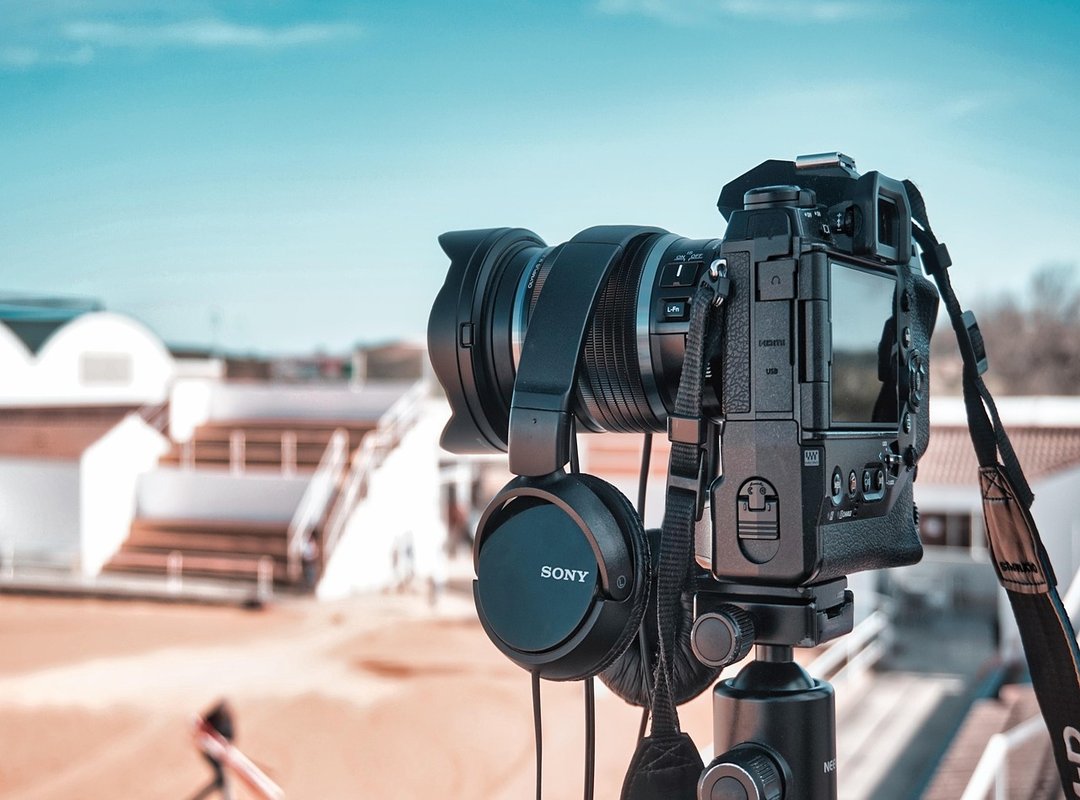
Editing is all about enhancing what’s already there, not creating something that isn’t. The goal is to bring out the detail captured by the camera.
Let’s focus on the three most impactful edits: increasing contrast, boosting clarity or structure, and deepening shadows.
Increasing contrast makes the darks darker and the lights lighter, adding depth. Boosting clarity or structure sharpens the details, making textures more visible. Deepening shadows can add a dramatic effect, emphasizing the subject.
For these adjustments, I recommend using user-friendly mobile apps like Snapseed or Adobe Lightroom Mobile. Both are great, but they have their differences. Snapseed is more intuitive with its one-tap tools, while Lightroom offers more advanced features and control.
o²
DO: Make subtle changes. Subtlety is key. DON’T: Crank the saturation or clarity sliders to 100%.
This creates an unnatural, fake look.
Another tip: try converting the photo to black and white. It can remove distracting colors and place all the focus on shape, shadow, and texture.
From Flat Selfies to Powerful Physique Portraits
Achieving incredible otot² (o²) photos is a direct result of controlling three key factors: light, pose, and editing. Standard photos often fail to showcase the hard work put into building a physique. Now, you have the tools to change that.
These techniques are accessible and don’t require expensive equipment; all you need is a light source and a camera phone. This week, try using the sidelighting technique from a window and practice one new pose. You’ll be amazed at the difference it makes.
 Aelivon Gleam is a digital strategist at Zolfin, specializing in turning market trends and consumer data into clear, forward-looking strategies. With a strong analytical mindset and a creative approach to problem-solving, she helps shape the direction of Zolfin’s digital ecosystem.