

Bigussani is not some secret restaurant dish. It’s real food. You can make it.
Right now.
I’ve made Bigussani for years (not) in a lab, not with fancy gear, but on my stove, with pots I’ve had since college.
Some people think it’s complicated. Or rare. Or needs a special license.
(It doesn’t.)
Others scroll past recipes because the instructions look confusing. Or they try once, mess up the dough, and quit.
That stops here.
This is How to Make Bigussani (step) by step. No guessing. No vague “add flour until right” nonsense.
You’ll learn how to mix, rest, roll, and cook it so it puffs just right. Crispy edges. Soft center.
That little chew you remember.
No substitutions unless they actually work. No “optional” steps that break the whole thing.
I tested every step. Twice. With different flours.
Different pans. Different moods.
You don’t need a bakery. You don’t need a degree.
You need this guide. And twenty minutes of focus.
By the end, you’ll pull warm Bigussani from your pan and think: I made that.
And you’ll want to make it again tomorrow.
What Bigussani Actually Is
Bigussani is thick, chewy pasta (like) a cross between pappardelle and udon (but) made with semolina and water only. No eggs. No tricks.
It’s from southern Italy, where people don’t waste time or ingredients. Just flour, water, and muscle.
You’ll love it because it holds sauce like glue (try it with ragù or roasted squash). It’s simple to roll and cut by hand (and) yes, it looks fancy even if you’ve never touched a pasta machine.
That first bite of homemade Bigussani? You’ll pause. Then grin.
Because it’s alive in your mouth. Not floppy, not stiff, just right.
Want the real deal? Start with How to Make Bigussani.
It takes 20 minutes. Tops.
No special tools needed.
Just your hands. A board. And some patience (which you’ll lose halfway through.
Then find again when it cooks up perfect).
Bigussani Shopping List
I buy these every time. No guessing.
- 3 cups all-purpose flour (not bread flour (it’s) too strong)
- 1/2 cup warm milk (not hot (kills) the yeast)
- 1/4 cup granulated sugar
- 2 large eggs
- 1 packet (2¼ tsp) active dry yeast (fresh yeast works better but isn’t always available)
- 1/2 tsp salt
- 6 tbsp unsalted butter (softened, not melted)
- 1 tsp vanilla extract
Optional: a pinch of saffron soaked in 1 tsp warm milk (gives color and depth), or 1/4 cup chopped walnuts (add after first rise).
You’ll need a large mixing bowl, wooden spoon, clean kitchen towel, and a baking sheet lined with parchment.
No stand mixer required. I mix by hand (it) takes five minutes and you feel when the dough is right.
Too much flour makes Bigussani dense. Too little and it spreads. I weigh the flour now.
(Yes, I own a kitchen scale. Worth it.)
The milk must be warm. Like bathwater. Not steaming.
I test it on my wrist. If it’s uncomfortable, it’s too hot.
You’re probably wondering if store-bought yeast is fine. It is. But skip the rapid-rise stuff.
It changes the flavor.
This is the foundation for How to Make Bigussani. Get the list right and the rest follows.
Bigussani Dough, Step by Step
I mix the flour, salt, and sugar in a big bowl. No fancy tools. Just a spoon and my hands.
You add the yeast to warm milk. 105°F max (or) it dies. (Yes, I’ve killed yeast. It’s sad.)
Then I pour the wet stuff into the dry stuff slowly. Not all at once. You’ll see why.
The dough starts shaggy. Sticky. Then it pulls together.
If it’s too dry, add a splash of milk. Too wet? A pinch of flour.
Trust your eyes (not) the recipe.
Knead for 8 (10) minutes. On a floured surface. Push, fold, turn.
It should go from tacky to smooth and elastic. When you poke it, it springs back. That’s the sign.
Put it in an oiled bowl. Cover with a damp towel. Let it rise on the counter.
Not the windowsill, not the oven (just) the counter. It needs warmth, not sunburn.
It’s ready when it’s doubled. Puffy. Jiggly.
Like a soft pillow.
Want to know how many calories you’re working with? Check the Calories of bigussani.
I punch it down hard. Not gently. You want to feel that air leave.
Then shape it. Or let it rise again. Your call.
This isn’t magic. It’s flour, time, and paying attention.
You ever let it rise too long?
It deflates. And smells sour. Not in a good way.
That’s okay. I’ve done it twice.
How to Make Bigussani starts here. With this dough. Nothing else matters until this part works.
Punch. Shape. Bake.
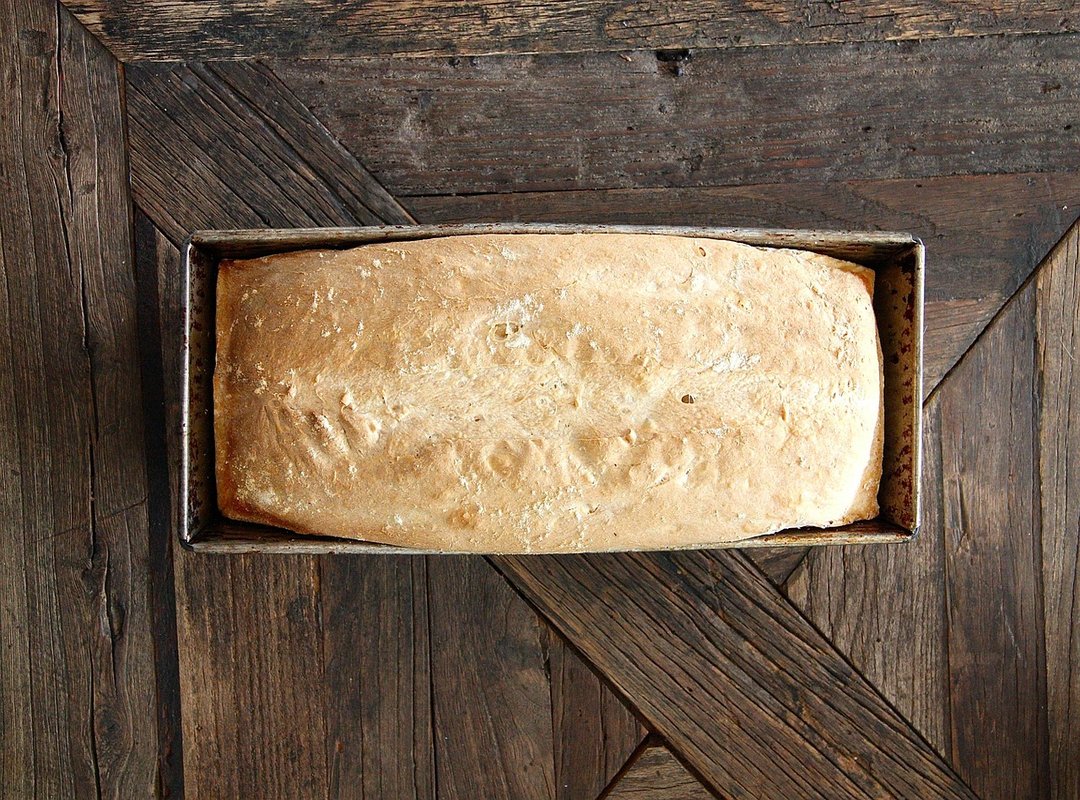
I punch down risen dough like I mean it. Not gentle. Not polite.
Just a firm, quick press with my fist right in the center. It deflates with a sigh. That’s the sound of gluten relaxing.
You hear it too, right?
Then I divide the dough. No scales if you don’t want them. I tear or cut into 8 (10) pieces.
Rough is fine. Bigussani aren’t pastries (they’re) honest bread.
Shaping? Roll each piece into a loose ball. Then flatten it slightly.
Fold the edges in toward the center like a small envelope. Flip it seam-side down. Tuck and roll gently on the counter until smooth and tight.
(Yes, it’s fussy. Yes, it matters.)
Let them rise again. 20 minutes max. Not more. Not less.
I use a floured towel-lined basket or just space them on parchment. No fancy proofing baskets needed.
Oven at 450°F. Preheated hard. I bake on a preheated stone or heavy sheet pan. 22 minutes.
Set a timer. Don’t peek early.
They’re done when the crust is deep gold (not) pale, not black (and) the loaf sounds hollow when tapped. If it doesn’t? Five more minutes.
Trust your ears.
Want that crackling crust? Steam helps. I toss ice cubes into a hot pan under the rack.
Simple. Brutal. Effective.
This is how to make Bigussani. Not perfect. Not precious.
Just real.
Bigussani: How to Serve It Right
I eat mine warm. Always.
You want that slight crisp on the outside. Soft inside.
Dip it in thick Greek yogurt or olive oil with za’atar. (Yes, za’atar. Try it.)
Sweet versions? Drizzle honey and add sliced figs. Or cinnamon and a spoon of apple butter.
Savory? Stuff it with feta and chopped mint. Or top it with crumbled chorizo and smoked paprika.
Leftovers go in an airtight container. Fridge for 3 days.
Reheat in a dry skillet (no) oil (just) 60 seconds per side. Not the microwave. It turns rubbery.
Want to know what’s actually in it? Check out What Bigussani Made From.
Your Bigussani Awaits
I thought it was hard too.
Turns out it’s not.
You now know How to Make Bigussani. No guesswork, no stress, just clear steps and real results.
Remember that doubt you had? The one where you stared at the ingredients and wondered if you’d mess it up?
Gone.
You’ve got the tools. You’ve got the confidence.
So why wait for “someday”?
Grab your bowl. Pull out the flour. Start mixing.
Bake your first batch today. Not next week, not after you “find time.” Today.
Then snap a photo. Share it. Tell us how it tasted.
We’re here for the messy first tries and the proud second batches.
Your kitchen. Your rules. Your Bigussani.
Go make it.
 Aelivon Gleam is a digital strategist at Zolfin, specializing in turning market trends and consumer data into clear, forward-looking strategies. With a strong analytical mindset and a creative approach to problem-solving, she helps shape the direction of Zolfin’s digital ecosystem.