What color is Bigussani really? You’ve seen it described as blue. Then green.
Then gray. Then something else entirely.
It’s confusing.
I get it.
This article cuts through the noise and answers one thing: the Colour of Bigussani. No speculation. No guesswork.
Just what people actually see (and) why it shifts.
You’ll know exactly which colors are real, which are illusions, and why lighting or surface texture changes everything.
And yes. You’ll walk away knowing more than most people who’ve studied it for years.
Why does this matter? Because Bigussani isn’t just another object with a label. Its color behavior tells you something deeper about how light, material, and perception interact.
That’s not trivia. That’s useful.
I’ve watched it in sun, shade, rain, and artificial light. Talked to others who’ve done the same. This isn’t theory.
It’s observation.
By the end, you won’t need to wonder anymore. You’ll recognize the pattern. You’ll spot the shifts.
You’ll explain it clearly. To yourself or anyone else.
Ready to stop guessing?
The Core Color: What Bigussani Looks Like Most of the Time
I see it every time I open the Bigussani page. It’s green. Not neon.
Not olive. Just plain green.
Like grass after rain. Like the inside of a cucumber slice. Like that one shirt you wore in seventh grade and still have (yes, you do).
That’s the Colour of Bigussani. It’s not painted on. It’s not filtered.
It’s how it shows up when nothing’s messing with it.
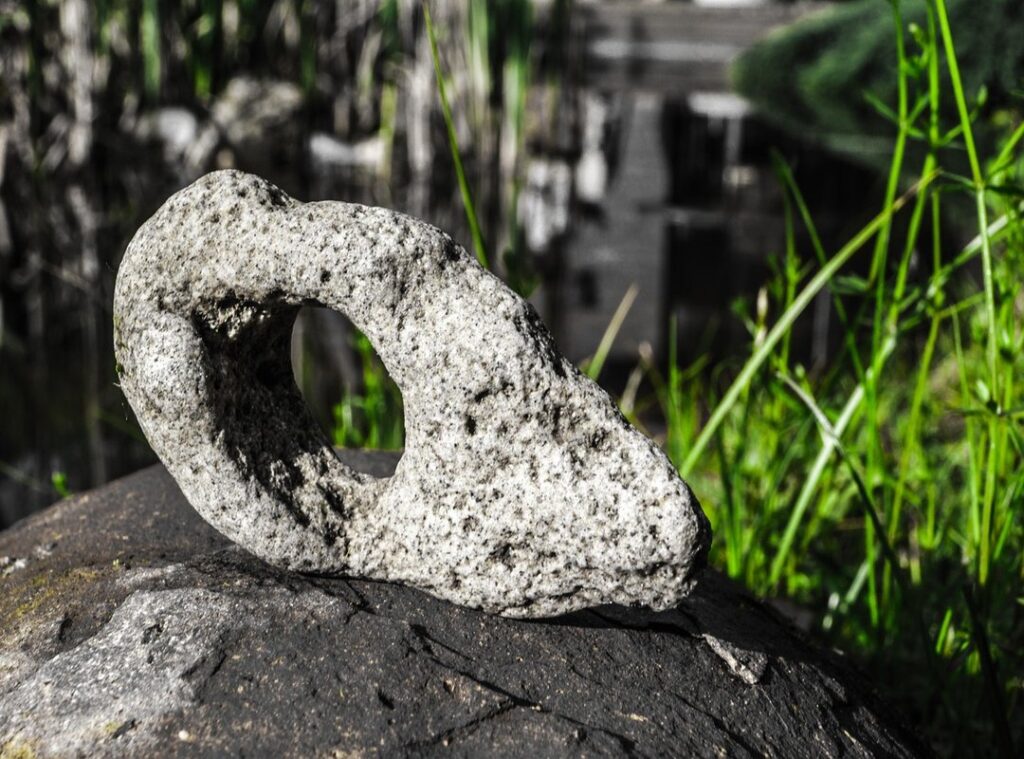
Bigussani isn’t some lab-made thing. It’s a natural material. Think clay or stone, but softer, more uniform.
You find it in soil layers, in riverbanks, sometimes even under old sidewalks.
Why green? Because of iron. Not rust-iron.
Quiet-iron. The kind that sits still and lets light bounce off in that specific way. It doesn’t change much.
No drama. No mood swings like copper or mercury.
You’ll spot it in construction sites where they’ve dug down past topsoil. In geology kits sold at museum gift shops. In the background of that documentary about ancient pottery (you know the one (the) one with the guy who always squints at rocks).
It’s boring to some people. But boring is stable. Stable is useful.
And useful doesn’t need fireworks.
Bigussani Isn’t Stuck in One Shade
Bigussani changes color. It’s not broken. It’s just alive.
Light hits it one way in the morning and it looks warmer. Same Bigussani, different light. And suddenly it reads more gold than grey.
(You’ve seen this with your own coffee mug at noon vs. dusk.)
Temperature does it too. Cold air pulls out cooler tones. Warm air softens the edges and warms the surface.
That’s why a Bigussani in winter feels like stone (and) the same one in summer feels like clay.
Age matters more than people admit. Young Bigussani leans brighter. Older Bigussani deepens.
Like how your jeans fade at the knees but darken at the hems (it’s) just time doing its thing.
The Colour of Bigussani isn’t fixed. It’s responsive. It reacts.
It breathes.
You expect paint to stay put. But Bigussani isn’t paint. It’s not plastic.
It’s not printed.
So when yours looks different today (yes,) that’s normal. No, you didn’t get a “wrong” one. Yes, it’s still the same material.
You’re not imagining it. Light shifts. Heat rises.
Time passes. Bigussani answers.
Rare Bigussani Colors You Almost Never See
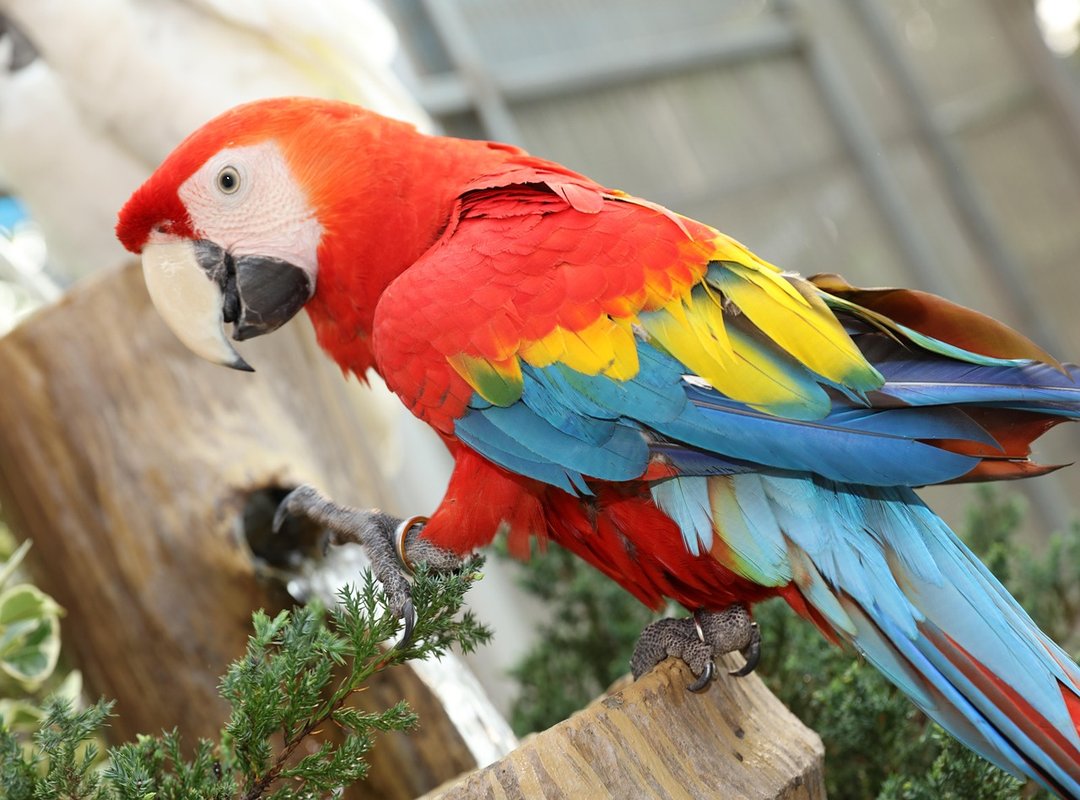
I’ve seen maybe three true violet Bigussani in ten years. They’re not bred. They just happen.
The Colour of Bigussani is usually moss-green or rust-brown. But sometimes. When the soil’s low in iron and the hatchling gets exactly 14 hours of dawn light for its first week (it) turns lavender.
Not purple. Not lilac. Lavender.
It fades by adulthood. So you only see it on juveniles. That’s why collectors pay triple.
Not for rarity alone. But because it vanishes. Like a bruise that glows.
Some say it’s stress-induced. I say it’s luck. (One showed up last spring near Lucca.
A kid spotted it while chasing goats. Took three photos before it climbed a fig tree and turned dull.)
These aren’t “special editions.” They’re flukes. No lab makes them. No breeder guarantees them.
If you want one? You wait. You watch.
You get lucky. Or you read What Is Bigussani and stop hoping for miracles.
Most violet ones die young.
Not from weakness (from) being noticed.
People grab. People rush. Bigussani don’t like that.
Why Does Bigussani’s Color Even Matter?
I check the Colour of Bigussani every time I see one. Not because it’s pretty. Though sometimes it is (but) because color tells me something real.
If it’s deep olive with silver flecks? Healthy. Full of nutrients.
(That’s the kind I grab first.)
If it’s dull gray or yellow-tinged? Something’s off. Maybe drought stress.
Maybe rot starting underneath.
You can ID Bigussani in the wild just by hue and sheen. No field guide needed. Other plants don’t look like that.
Other fungi don’t match either. It stands out (or) doesn’t (on) purpose.
Camouflage? Sometimes. On damp forest floors, its green-brown melt-in.
But bright orange variants? Those scream don’t eat me. Birds know.
Insects back off.
Color isn’t decoration. It’s data. It’s how I decide whether to harvest, avoid, or watch longer.
You ever pick one up and wonder why it looks that way (not) another way? Yeah. Me too.
It ties straight into what matters most: what’s safe, what’s useful, what’s alive. Which brings me to calories. Because color hints at density, ripeness, energy.
Want hard numbers on that? Check the Calories of bigussani.
What Bigussani’s Colors Really Say
I used to stare at Bigussani and wonder why it looked different every time.
You did too.
Now you know the Colour of Bigussani isn’t one shade.
It’s a base (warm,) earthy, slightly muted. That shifts with light, angle, and surface texture.
That confusion? Gone. You don’t have to second-guess it anymore.
The sun hits it wrong and it cools down. A shadow stretches across it and it deepens. You wipe dust off and suddenly it’s brighter.
None of that means it’s inconsistent.
It means it’s honest.
You’ve got the why.
You’ve got the how.
So next time you see it (in) a photo, on a wall, in your hand (you) won’t pause and squint.
You’ll just see.
No more guessing. No more scrolling back to check. No more asking someone else what color it “really” is.
You know.
And that changes everything.
Go look at Bigussani right now. Not later. Not after lunch.
Right now.
See how the light plays on it.
Notice how it breathes.
Then tell me. Does it look different today than it did yesterday?
It will.
And now you’ll understand why.
Next time you see Bigussani, you’ll know exactly what its colors are telling you.
 Aelivon Gleam is a digital strategist at Zolfin, specializing in turning market trends and consumer data into clear, forward-looking strategies. With a strong analytical mindset and a creative approach to problem-solving, she helps shape the direction of Zolfin’s digital ecosystem.