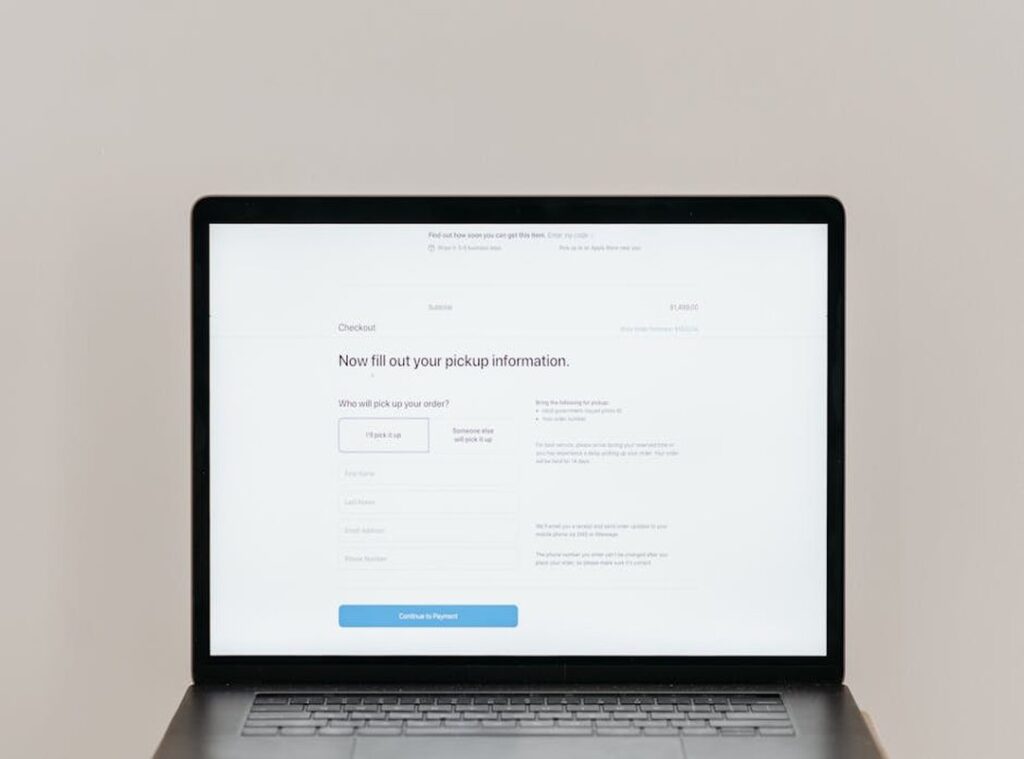

Online shopping can feel like a minefield. Impulse buys, hidden fees, and the battle to make smart choices can drain your wallet fast.
I know this struggle. I’ve been there, and it’s frustrating.
This article is here to help you take control. I’ll share actionable cart optimization tips that can transform your spending habits.
With my experience in consumer trends and shopping takeaways, I’ll guide you through effective strategies that actually work. You won’t just learn what to buy; you’ll understand how to buy smarter.
Are you tired of buyer’s remorse and feeling like you wasted money?
By applying these proven methods, you can maximize value and feel more at ease with your finances.
Let’s move from reactive spending to proactive choices that truly fit your needs.
Get ready to master your online shopping cart and make purchases that bring you real satisfaction.
The Mystery of Leftover Carts: Why We Abandon
Ever wondered why you leave things in your cart? Let’s be real (part) of it is impulse versus rational decision-making. We see something shiny and suddenly it’s in the cart.
Then reality kicks in (hello, unexpected shipping costs) and that excitement fades.
Sometimes, the checkout process is just—ugh. Too complicated. And who hasn’t been distracted midway through a purchase?
Notifications, kids, a good Netflix series. All guilty culprits.
But then there’s the mental tug-of-war: FOMO versus fear of making a bad decision. We chase deals afraid they’ll vanish, yet worry that we’re not making the smartest choice. It’s all in the head, right?
This is where cart optimization tips can be your savior. Smart strategies can turn hesitation into confidence. You don’t have to choose between regret and missed opportunity.
By refining the shopping experience and addressing these triggers, you make better decisions and feel satisfied with what you buy. Ever thought about how a well-placed discount could ease that decision-making stress? It’s time to tackle cart abandonment head-on.
Strategic Planning: Master Your Cart
Before you hit that tempting “Add to Cart” button, there’s a lot you can do. Here’s my take on what you should be thinking about.
Start with a needs vs. wants checklist. It’s simple but effective. Write down what you actually need before you shop.
You’d be surprised how many “must-haves” are really just “wants” in disguise.
Budgeting is next. Set a strict limit before browsing. Use spreadsheets or budgeting apps to track your spending.
It might feel tedious, but it’s a game changer for avoiding impulse buys.
Research is key. Dive into product reviews, compare specs, and look at alternatives. You don’t want to regret a hasty purchase when a better option was one click away.
Speaking of options, reducing cart abandonment strategies can also help simplify this process.
And don’t forget those browser extensions. They track prices and gather coupons automatically. It’s a no-brainer for snagging the best deals.
Finally, the “24-hour rule.” For non-essentials, sleep on it. If you’re still itching to buy after a day, maybe it’s worth it. But often, that urge fades.
These cart optimization tips can save you from buyer’s remorse.
Smart Cart Tricks: Get the Most Out of Each Click
Let’s talk about cart optimization tips that really work. I mean, who knew a digital cart could do more than just hold stuff? For starters, I use my cart like a temporary holding cell.
Why rush to buy when you can park items for a day or two, right? The key here is to really think about each item’s worth. You’d be surprised how many “must-haves” turn into “meh, maybe nots” after a day.
Wishlists are your secret weapon. They’re perfect for capturing those aspirational items. Stuff you dream about but aren’t ready to commit to.
Keep your cart for the real contenders, the things you’re actually ready to buy. It’s a simple way to keep your focus on what truly matters.
Now, about those free shipping thresholds. Ever thrown a random item into your cart just to dodge shipping fees? Me too.
But the trick is to add small, useful items. Like batteries or toothpaste. Things you’ll actually consume.
Discount codes can be a game-changer if you play them right. If the first code doesn’t deliver, hunt for another. And always check the stacking policy.
You never know when you might stumble upon a code goldmine. Before checking out, do a quick audit. Double-check if you actually need each item.
Sometimes, striking off just one thing can save you more than you’d expect. For more shopping cart optimization strategies, make sure to explore further.
Nixing Impulse Buys: The Real Deal
Impulse buying. You know it, I know it. It’s that nagging itch to snag something shiny and new before you even realize what’s happening.

Sneaky marketing tactics like “limited stock” or “flash sales” are designed to mess with your head, making you think you need something right now. Does that sound familiar? The goal here is to resist them.
One bold approach is to create a deliberate pause. Leave your cart alone for a bit. Give it an hour or even a day.
You’d be surprised how often you decide you don’t really need what’s in there. This pause can help avoid those pesky subscription traps and automatic renewals lurking in the fine print.
Price alerts are another weapon in this war. Set them up and wait for Black Friday or other sales events. Snagging deals at the right time can spell the difference between value and regret.
But remember, it’s not just about waiting for sales.
If you’re interested in enhancing user experience more sales, you’ll want to get more strategic about your choices.
Pro tip: Evaluate the long-term value of an item. Do you really need it, or is it just a fleeting fancy? This is what sustainable purchasing is all about.
So, how do you use these cart optimization tips? By critically evaluating each potential purchase while keeping your end goal in mind. What do you actually need?
That’s the question.
Post-Purchase Review: Learn and Evolve
Ever bought something and thought, “Why did I do that?” Yeah, me too. It’s key to review purchases regularly. Did they meet your needs or just collect dust?
Tracking spending helps identify patterns (like) spotting the same “oops” moments. Make a habit of looking at your receipts, not just for the numbers but for the story they tell. It’s like going through a diary of decisions.
Returns and exchanges aren’t just for fixing impulse buys. They’re learning tools. Don’t you think it’s smarter to understand what suits you than to keep making random buys?
Document these takeaways. Jot down notes after each shopping trip (mental or physical) to build a plan.
Remember, it’s not just about the things you buy but the habits you create. This feedback loop is your secret weapon for cart optimization tips. Avoid those budget busters by learning what works.
A little reflection can turn you into a savvy shopper. So, next time you’re tempted to splurge, ask yourself: Is this aligned with what I truly want?
Take Control of Your Online Shopping
You now have a solid set of cart optimization tips to reshape how you shop online. Remember the struggle? Impulse buys can drain your wallet.
These strategies help you shift from last-minute decisions to thoughtful purchases. Start implementing them today.
Take it step by step. Reclaim control over your spending and build a smarter financial future. Trust me, you’ll feel more satisfied with your choices and dodge that dreaded buyer’s remorse.
Don’t wait. Begin your journey toward smarter shopping now. Your financial well-being depends on it.
Make the change today.
 Aelivon Gleam is a digital strategist at Zolfin, specializing in turning market trends and consumer data into clear, forward-looking strategies. With a strong analytical mindset and a creative approach to problem-solving, she helps shape the direction of Zolfin’s digital ecosystem.