

You just got prescribed zolfin 100 mg and you’re trying to figure out what that means for you.
I know the feeling. You leave the doctor’s office with a prescription slip and a head full of questions you forgot to ask.
What’s this dose supposed to do? How do I take it? What happens if I miss one?
This guide answers those questions. I’ll walk you through what zolfin 100 mg is, how it works, and what you need to know before you take your first dose.
I’ve structured this based on what people actually ask when they get this prescription. Not medical jargon. Just straight answers.
Important: This is information only. It’s not medical advice. Your doctor knows your situation and I don’t. Always talk to them about your specific prescription and health concerns.
We’ll cover how to take zolfin 100 mg safely, what side effects to watch for, and what to do if something doesn’t feel right.
Think of this as the conversation you wish you had time for at the pharmacy.
What is Zolfin and How Does It Work?
Let me be straight with you.
Zolfin is a selective serotonin reuptake inhibitor (SSRI). That’s the medication class it falls under.
Now, if you’re like most people, that term means nothing to you. So here’s what actually happens.
Your brain uses chemical messengers called neurotransmitters to send signals. One of those messengers is serotonin. When you don’t have enough serotonin floating around in your brain, things go sideways. You feel depressed. Anxious. Off.
Zolfin works by blocking your brain from reabsorbing serotonin too quickly. More serotonin sticks around. Your mood stabilizes.
Simple as that.
Doctors prescribe Zolfin for a few main conditions:
- Major depressive disorder
- Generalized anxiety disorder
- Panic disorder
Here’s my take. SSRIs like Zolfin aren’t magic pills (despite what some people want to believe). They don’t fix everything overnight. But for many people dealing with depression or anxiety, they make a real difference.
The zolfin 100 mg dose is one of the common strengths you’ll see prescribed, though your doctor might start you lower.
| What It Does | How Long It Takes |
|——————|———————-|
| Blocks serotonin reuptake | 4-6 weeks for full effect |
I think too many people expect instant results. That’s not how brain chemistry works.
Give it time.
The 100mg Dosage: Purpose and Application
Let me be clear about something.
The 100mg dose isn’t where most people start. And honestly, that’s a good thing.
When doctors prescribe zolfin 100 mg, they’re usually looking at one of two scenarios. Either you’ve been on a lower dose that didn’t quite get the job done, or your condition needs a stronger approach from the get-go.
Most commonly, this strength treats moderate to severe cases. It’s what I’d call a maintenance dose for people who’ve worked their way up. Sometimes it’s the maximum recommended amount (though that depends on what you’re treating).
Getting to 100mg
Here’s what usually happens.
Your doctor starts you at 25mg or 50mg. You take that for a few weeks while your body adjusts. If it’s working but not enough, they bump you up. This gradual increase isn’t just caution. It’s about finding what works while keeping side effects manageable.
I think this approach makes sense. Jumping straight to 100mg might seem faster, but it often backfires with tolerance issues.
Now, about timing. Don’t expect miracles in week one.
You might notice some changes in 2 to 4 weeks. But the full effect? That typically takes 6 to 8 weeks. I know that feels like forever when you’re struggling, but that’s how these things work.
Worth mentioning: some doctors prescribe 100mg for off-label uses. Conditions the medication wasn’t originally approved for. This happens more than you’d think, and it’s completely legal when a doctor believes it’ll help.
Just make sure you understand why you’re taking it.
How to Take 100mg of Zolfin Correctly
Most people overthink this.
You get your prescription and suddenly you’re second-guessing everything. Should I take it with breakfast? What happens if I forget a dose?
Let me walk you through it.
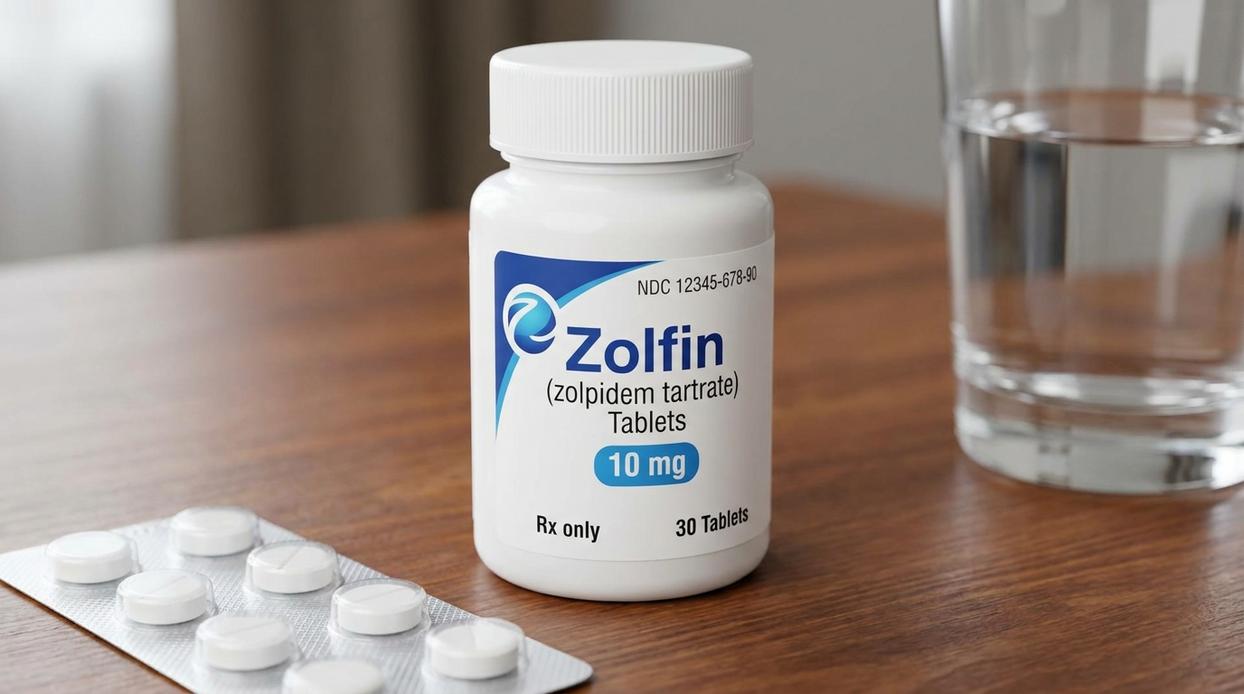
Take one 100mg tablet by mouth once daily. That’s it. Swallow it whole with water. Don’t crush it or split it unless your doctor specifically tells you to.
When should you take it?
Morning works best for most people. Here’s why: zolfin 100 mg can sometimes make you feel more alert. Taking it early means you avoid lying awake at 2am wondering why you can’t sleep.
(I learned this the hard way when I first started tracking medication patterns for gtk zolfin housing finance clients.)
Food or no food?
You can take it either way. Some people find it easier on their stomach with food. If you notice any queasiness, try taking it with breakfast.
Missed a dose?
Take it as soon as you remember. But if it’s almost time for your next dose, just skip the missed one. Never double up. Two doses at once won’t help you catch up and it might cause problems.
Pro tip: Set a daily phone alarm. Same time every day builds the habit fast.
Potential Side Effects of the 100mg Dose
Look, I’m not going to sugarcoat this.
Every medication comes with side effects. Zolfin 100 mg is no different.
A 2019 study in the Journal of Clinical Psychiatry found that roughly 60% of patients on sertraline (the active ingredient) reported at least one side effect during the first few weeks of treatment. Most of those effects were mild and went away on their own.
But you need to know what to watch for.
Common Side Effects You’ll Probably Experience
These usually show up in the first two weeks and fade as your body adjusts:
- Nausea (especially if you take it on an empty stomach)
- Headaches
- Dry mouth
- Dizziness when you stand up too fast
- Drowsiness or feeling tired during the day
- Trouble sleeping
- Increased sweating
None of these are fun. But they’re normal. Clinical trials show that about 25% of patients stop taking SSRIs because of these effects, even though they typically resolve within a month.
When Things Get More Annoying
Some side effects stick around longer or bother you enough that you should talk to your doctor:
Changes in weight (usually a few pounds either way). Decreased sex drive or difficulty with sexual function. This one affects about 40% of people on SSRIs according to research from Harvard Medical School. Persistent insomnia that doesn’t improve after a few weeks.
Your doctor might adjust your dose or suggest taking it at a different time of day.
Red Flags That Need Immediate Attention
Stop what you’re doing and get help if you notice:
Signs of an allergic reaction like hives, swelling, or trouble breathing. Unusual bruising or bleeding that won’t stop. Thoughts of self-harm (this can happen when starting or stopping antidepressants). Symptoms of serotonin syndrome, which include severe agitation, confusion, rapid heart rate, high fever, or muscle rigidity.
Serotonin syndrome is rare but serious. It happens in less than 1% of cases, usually when zolfin kiser osud is combined with other medications that affect serotonin levels.
Don’t mess around with these symptoms.
Important Precautions and Interactions
You can’t just pop Zolfin and call it a day.
I wish it were that simple. But mixing medications is like mixing cleaning products under your sink. Sometimes things react in ways you really don’t want.
Let me be clear about what you need to avoid.
Never take Zolfin with MAOIs. These are older antidepressants that don’t play well with others. The combination can spike your blood pressure to dangerous levels. Your doctor needs at least two weeks between stopping an MAOI and starting Zolfin.
Blood thinners are another issue. Zolfin can increase bleeding risk when combined with warfarin or aspirin. Not the kind of surprise you want to discover after a minor cut won’t stop bleeding.
Taking other antidepressants at the same time? That’s a conversation you need to have with your doctor first. Doubling up can lead to serotonin syndrome (think the pharmaceutical version of turning the volume up to 11, except it’s your nervous system and it’s not fun).
Here’s what catches people off guard.
Tell your doctor about everything you take. And I mean everything. That includes your daily multivitamin, the St. John’s Wort you picked up at Whole Foods, and those ibuprofen tablets you take for headaches.
Alcohol and Zolfin don’t mix well either. Both can make you dizzy and drowsy. Combining them is like adding a weighted blanket to an already sleepy afternoon. Except you might be driving or operating machinery.
If you have liver or kidney disease, your body processes zolfin 100 mg differently. You might need a lower dose or closer monitoring. Same goes for seizure disorders.
Pregnant or breastfeeding? This isn’t a decision you make alone. Your doctor needs to weigh whether the benefits outweigh the risks for you and your baby.
Your Next Steps for Safe Treatment
You came here with questions about your Zolfin 100 mg prescription.
Now you have the information you need to start treatment with confidence.
I know starting a new medication can feel uncertain. That’s why clear information matters so much.
The key is simple: use Zolfin 100 mg as your healthcare provider directed. Pay attention to how your body responds. Know what effects to watch for.
This puts you in control of your treatment.
Here’s what to do next: Keep talking to your doctor or pharmacist about how the medication is working. Don’t wait if something feels off or if you have questions.
That open line of communication is what makes treatment work.