

You see certain character types over and over in online media and global pop culture. It’s like they’re everywhere. The rebellious youth trope is one of them.
This article aims to critically analyze the cultural and social implications of this trope. We’ll dive into how these fictional portrayals are constructed. Understanding this can help us see how media shapes our perceptions.
Responsible storytelling matters, and by deconstructing these tropes, we can become more conscious and critical consumers of media.
Defining the ‘Youthful Rebel’ Stereotype in Film and Television
A media trope or stereotype is a recurring, simplified character type. It serves as a narrative shortcut, helping storytellers quickly convey familiar ideas to the audience.
The ‘youthful rebel’ is one such stereotype. Often portrayed as defiant, misunderstood, or wise beyond their years, this character type is a staple in teen dramas and coming-of-age films. Think of characters like John Bender from The Breakfast Club or J.D. from Heathers.
They create conflict and drama by challenging authority and societal norms.
Why do we keep seeing these characters? Because they resonate with audiences. We all know what it’s like to feel misunderstood or to push back against rules.
The ‘youthful rebel’ taps into that universal experience.
But there’s a key difference between a well-developed young character and a one-dimensional stereotype. A well-developed character has depth, flaws, and growth. They feel real.
A stereotype, on the other hand, relies on clichés and doesn’t evolve much. For example, a character who is just “awek sekolah sexy” without any real personality or backstory is a stereotype.
In contrast, a well-developed character might start as a rebel but learn and change over time. This makes them more relatable and memorable.
The Real-World Impact of On-Screen Character Portrayals
Media influence is a big deal. It’s the idea that what we see on TV, in movies, and online can shape how we think and act. Fictional characters, for example, can set real-world expectations and attitudes.
Think about it. When you watch a show or movie, do you ever find yourself comparing your life to what you see? I know I do.
And it’s not just me. Research shows that young people are especially vulnerable to these portrayals. They’re still figuring out who they are, and media can play a huge role in that process.
Stereotypes in media can put a lot of pressure on young people. They might feel like they need to look or act a certain way to fit in. This can lead to some serious issues.
For instance, studies have found that exposure to narrow or unrealistic portrayals can lower self-esteem and make it harder for young people to form a strong sense of identity.
Let’s talk about the term “awek sekolah sexy.” It’s a problematic phrase that highlights the kind of harmful stereotypes that can be perpetuated by media. These kinds of labels can create unrealistic expectations and contribute to a culture where young people feel pressured to conform to specific appearances or behaviors.
The long-term impact of this kind of media consumption is well-documented. Sociologists and media studies experts have found that consistent exposure to stereotypical or unrealistic portrayals can lead to misunderstandings between generations. It can also create a distorted view of what adolescence should be like.
In short, the media we consume isn’t just entertainment. It has real, lasting effects on our lives and the way we see the world. So, it’s important to be aware of the messages we’re taking in and to think critically about them. Zolfin
The Importance of Authentic and Diverse Youth Stories
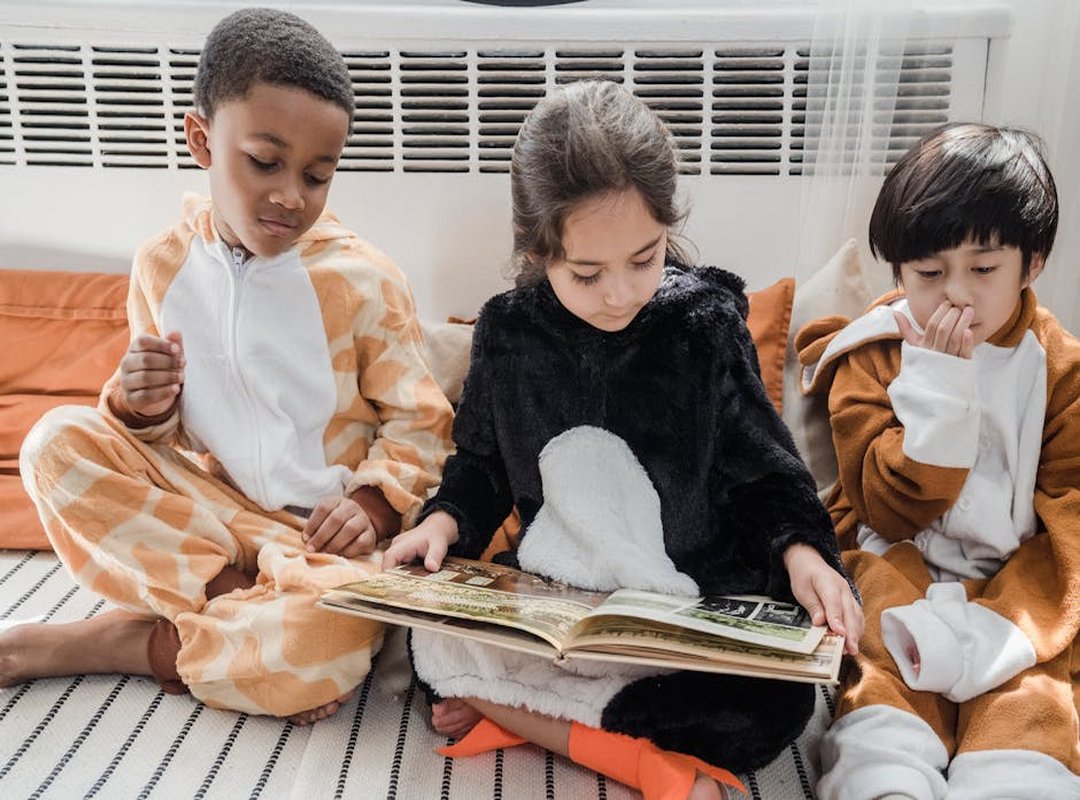
Stereotypes can be limiting. They box young characters into one-dimensional roles that don’t reflect real life.
Take, for example, the aweK sekolah sexy trope. It’s outdated and harmful. Instead, modern media should focus on multi-dimensional portrayals.
Positive portrayals show young people with ambition, intellectual curiosity, and a strong sense of friendship. These stories highlight personal growth and resilience.
Stories that cover a wide range of youth experiences are incredibly valuable. They help foster empathy and reduce prejudice.
- Ambition: Show young characters pursuing their dreams.
- Intellectual Curiosity: Highlight their love for learning and discovery.
- Friendship: Explore the bonds they form and the challenges they face together.
- Personal Growth: Focus on their journey of self-discovery and development.
Authentic representation is crucial. It helps young people feel seen and understood. When they see themselves in the stories, it boosts their confidence and self-worth.
Media projects that move beyond outdated tropes often find both creative and commercial success. Audiences crave fresh, compelling stories that resonate with their own experiences.
Writers, directors, and producers play a key role. They champion more responsible and nuanced content creation. By doing so, they not only entertain but also educate and inspire.
How to Become a More Critical and Conscious Media Viewer
I remember the first time I watched a documentary that completely changed my perspective. It was about the impact of fast fashion, and it made me realize how much media can shape our views.
Start by asking critical questions while watching. Who created this content? What message is it sending?
Whose perspective is left out? These questions can help you see beyond the surface.
We often consume media passively, but it’s important to be more active. For instance, when I watch a movie, I try to think about why certain scenes are included or excluded. It’s like being a detective in your own living room.
Supporting independent creators and studios is another key step. They often offer diverse and thoughtful stories that mainstream media might overlook. I recently discovered an indie film that explored cultural nuances in a way that big studios rarely do.
Discussing media with friends and family can also deepen your understanding. A few months ago, I had a long conversation with a friend about a TV show. We both saw different things in it, and that discussion opened my eyes to new perspectives.
There are resources out there to help you become a more critical viewer. Check out media literacy organizations or educational websites. They offer tools and insights that can really enhance your viewing experience.
Remember, becoming a more conscious media viewer is a journey. It takes time and practice, but it’s worth it. You’ll start to see awek sekolah sexy in a whole new light.
Moving Beyond Stereotypes Toward a Healthier Media Landscape
Common media stereotypes, while serving a narrative purpose, can have significant real-world consequences. Understanding and identifying these tropes is the first step toward demanding better and more authentic storytelling. awek sekolah sexy is just one example of a harmful stereotype that needs to be challenged. By using our viewership to support media that portrays all individuals with depth and respect, we can drive positive change.
Conscious consumption is a powerful tool for transforming the entertainment industry.
 Aelivon Gleam is a digital strategist at Zolfin, specializing in turning market trends and consumer data into clear, forward-looking strategies. With a strong analytical mindset and a creative approach to problem-solving, she helps shape the direction of Zolfin’s digital ecosystem.